
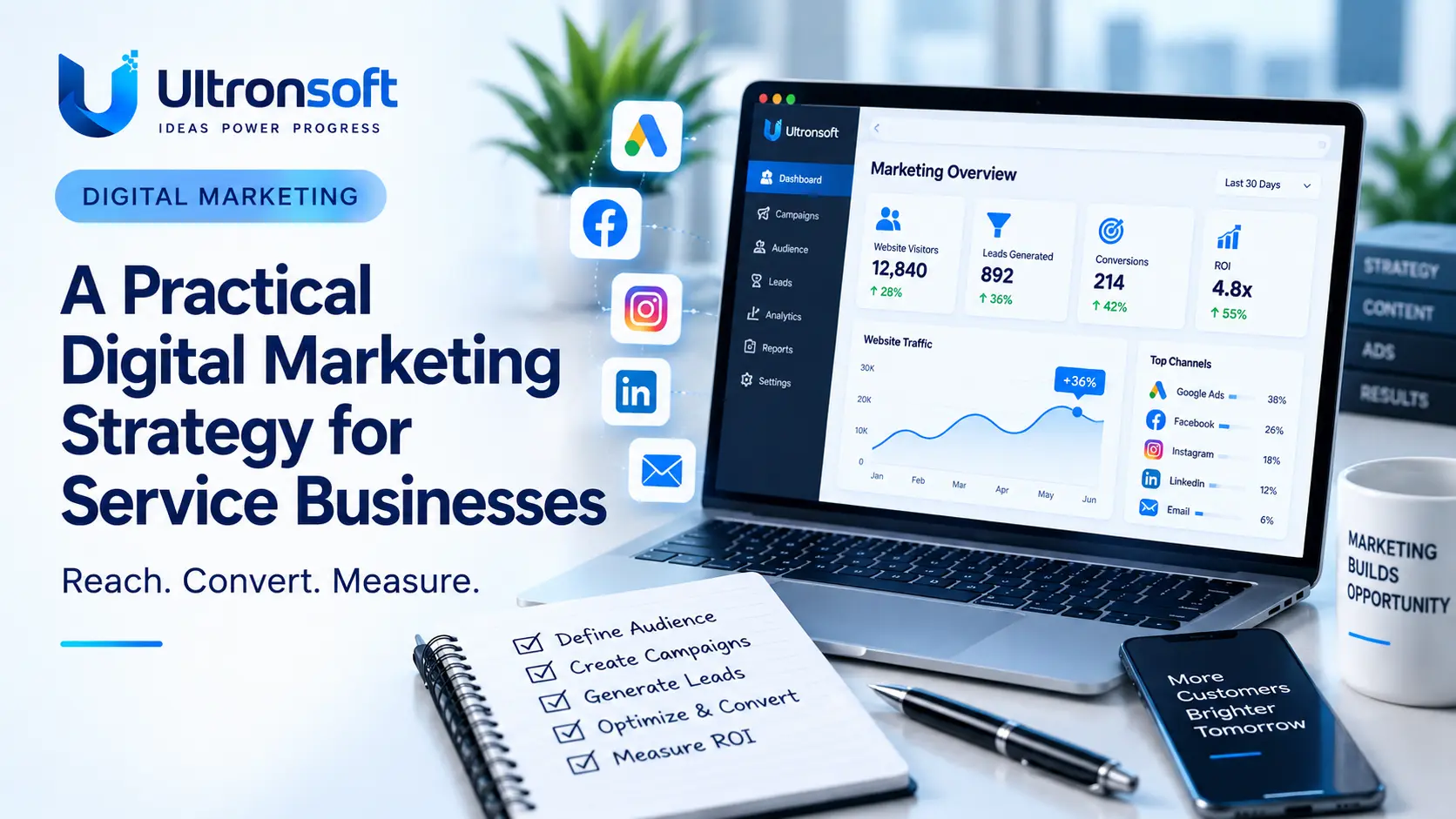
Strong web decisions come from connecting business goals, user needs and technical constraints. The following framework is designed to help teams make that connection before investing more time or budget.
Start with the buyer journey, not the channel list
Decide who you need to reach, what problem they are trying to solve and what action should happen next. Channels such as organic search, LinkedIn, Google Ads or Meta Ads should support a defined journey rather than operate as isolated activities.
Match landing pages to campaign intent
Paid traffic should not always land on the homepage. A focused landing page can align the message, proof, offer and call to action with the campaign that brought the visitor to the site.
Measure meaningful conversion events
Configure analytics around qualified actions such as form submissions, booked consultations, calls, purchases and important funnel steps. Clicks and impressions are useful context but they are not business outcomes by themselves.
Create a repeatable optimization cadence
Review campaign quality, search terms, creative, landing-page behaviour and lead quality together. The best improvements often come from connecting marketing data with what sales teams learn after the lead arrives.
What to do next
Translate the recommendations into a short action list: what should change now, what should be measured, and what can wait. If the work requires design or development support, define the desired outcome before choosing the implementation approach.
Related service
Digital Marketing
Integrated digital campaigns that connect content, paid media, analytics and conversion-focused landing experiences.
Explore Digital Marketing →